Period & Listed Properties
Heritage guttering, detailed for the building it serves
Older buildings were designed to shed water in a particular way, and the rainwater goods are part of how the elevation reads. Get the profile, the bracket or the downpipe position wrong and the whole front of the house looks subtly incorrect.
We install, repair and restore heritage rainwater systems on cottages, rectories, farmhouses, manor houses and churches, in cast iron, cast aluminium, copper and lead-detailed work.
Matching what is already there
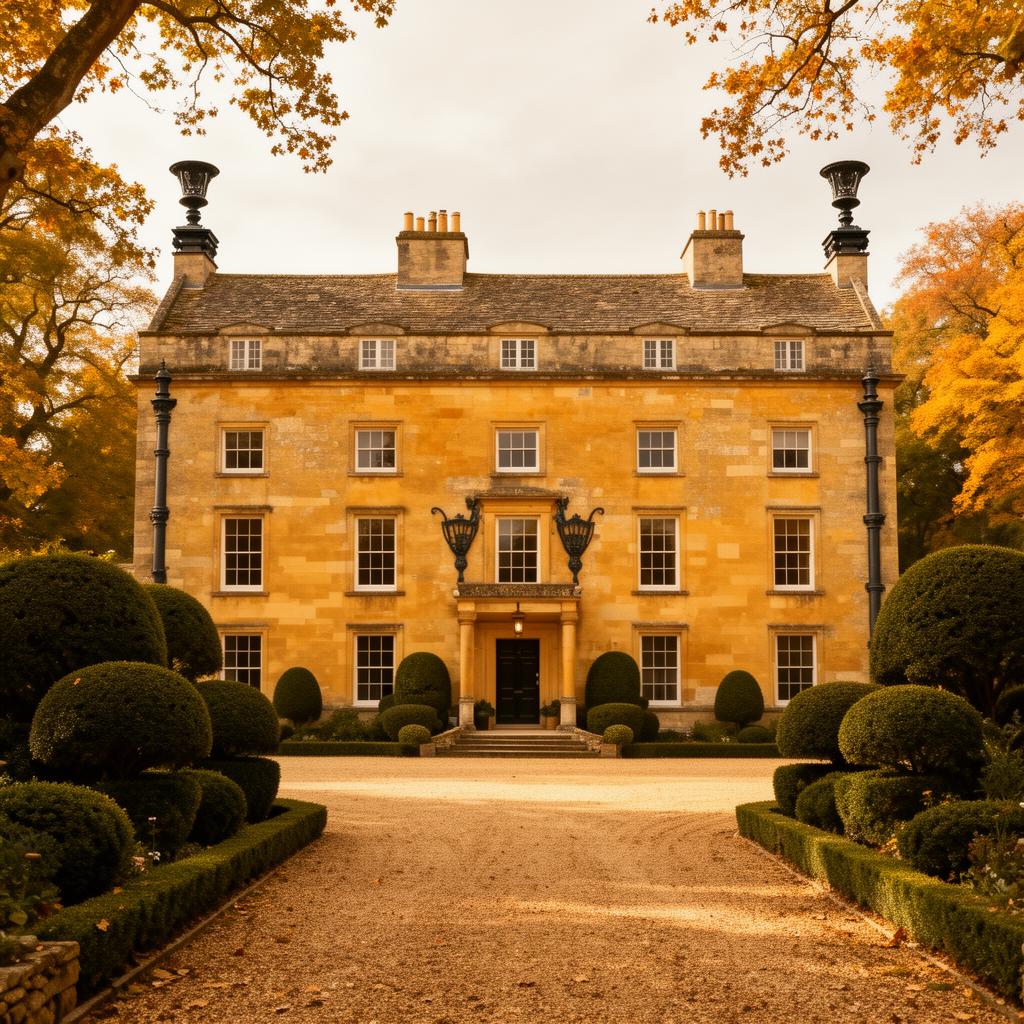
The first job on a heritage property is to read the existing system: the profile, the gutter size, the bracket type, where the hoppers sit and how the downpipes discharge. Surviving sections, even damaged ones, are the best evidence available and are worth recording before anything is taken down.
Where sections are missing entirely, the pattern is usually recoverable from the fixing scars in the masonry and from comparable buildings of the same date and locality.
- Ogee, half-round and moulded profiles
- Ornamental hoppers and rainwater heads
- Cast and rise-and-fall brackets
- Lead detailing and flashings
- Colour matched to surviving ironwork
- Downpipes fixed on spacers so masonry can dry
Repair before replacement
Sound cast iron is worth keeping. Taking a run down, stripping it back, treating it and rehanging it with new fixings often costs less than wholesale replacement and keeps the original fabric on the building, which is generally what conservation officers want to see.
Replacement is reserved for sections that are genuinely beyond repair, and those are matched to the surviving pattern rather than to the nearest stock item.
Consent, conservation officers and evidence
On a listed building the rainwater goods are covered by the listing, and changing material or profile normally needs listed building consent. Like-for-like repair usually does not, but the line between repair and alteration is worth confirming before work starts.
We are used to preparing photographs, profile details and specifications that a conservation officer can actually assess, and to discussing alternatives such as cast-iron-effect aluminium openly rather than presenting them as a fait accompli.
In summary
- Best suited to
- Listed buildings, conservation area properties, Cotswold stone cottages, Georgian and Victorian houses, rectories, farmhouses and churches.
- Materials
- Cast iron, cast aluminium, copper and lead-detailed work, matched to the period and locality of the building.
- How to begin
- Send photographs of the elevations and any surviving ironwork. We will identify the profile and advise on repair, reinstatement or replacement.
Related pages
Begin a Project
Let's start a conversation.
Share a little about your property and requirements. We'll be in touch personally within one working day to arrange a site visit.
- 7a High Street, Highworth, SN6 7AG
- 01367 248417
- guttering@austendawson.co.uk