
As the vibrant hues of autumn begin to fade and a distinct chill enters the air, our thoughts in the Cotswolds, Oxfordshire, and beyond naturally turn to preparing our homes for the colder, wetter months ahead. While a roaring fire and a well-stocked larder are essential comforts, one crucial aspect of home maintenance often goes overlooked until it's too late: your guttering system.
Failing rainwater goods can lead to a cascade of costly problems, from damp internal walls to compromised foundations. Before the true downpours of winter descend upon Gloucestershire and the surrounding counties, take a moment to consider these six key indicators that your gutters might be crying out for a replacement.
Visible Damage and Deterioration
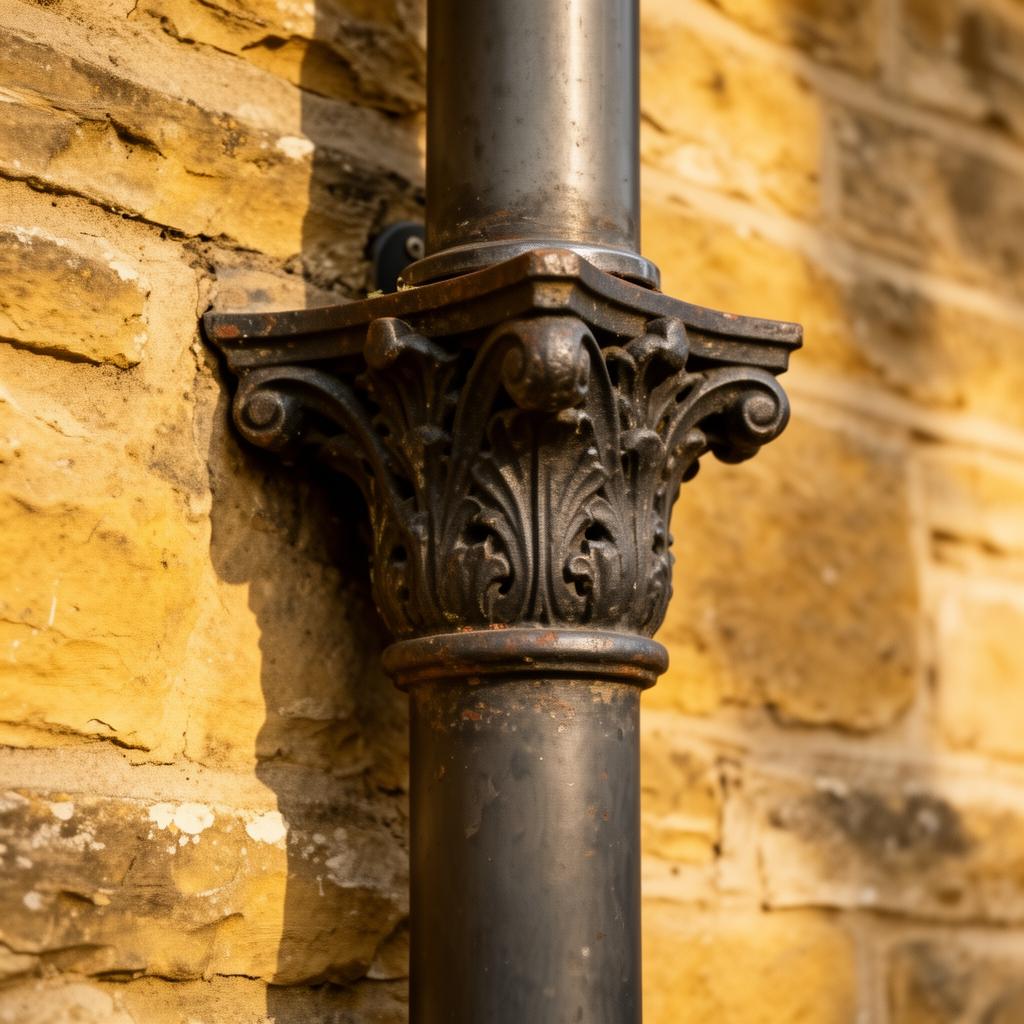
This is perhaps the most obvious sign. Take a walk around your property – do you see any cracks, holes, or significant corrosion? Look for peeling paint on the gutters themselves, or sections that appear warped or bowed. Plastic guttering can become brittle with age and UV exposure, leading to splits. For older cast iron systems, rust is a common enemy, creating weak spots that will eventually fail. Even the most robust systems, such as bespoke copper or zinc, can show signs of wear and tear over decades of service.
Sagging or Incorrect Pitch
Gutters are designed to be subtly sloped towards the downpipes, ensuring efficient water flow. If you notice sections of your guttering sagging or pulling away from the fascia board, this is a clear indication of structural failure. Improper pitch means water will pool, leading to blockages, overflow, and unnecessary strain on the fixings. This pooling water can also freeze in winter, exacerbating the problem by expanding and causing further damage to the guttering material itself.
Water Overflowing or Leaking
During a rainy spell, observe your gutters in action. Is water spilling over the edges, even if they appear clear of debris? This could point to blockages further down the line, a compromised seal, or an inadequate capacity for the volume of rainfall. Leaks, particularly at joints or where the gutter meets a downpipe or a lead hopper, are also immediate red flags. Small drips can quickly become significant streams, eroding pathways and saturating the ground directly around your home’s foundations.
Foundation Damage or Damp Patches
If your gutters have been failing silently, you might start seeing the consequences at ground level. Look for signs of water pooling around the base of your property, or worse, cracks appearing in the foundation. Inside, damp patches on walls or ceilings, especially in upper rooms or adjacent to exterior walls, are tell-tale signs that rainwater isn't being effectively diverted away. This is a critical indicator that needs urgent attention, as prolonged damp can lead to mould, timber rot, and expensive structural repairs.
Peeling Paint or Rotting Fascias and Soffits
The fascias and soffits, the timber or uPVC boards that run along your roofline, work in conjunction with your guttering. If your gutters are overflowing or leaking, these supporting elements will be among the first to suffer. Look for:
- Peeling, flaking paint on fascias
- Soft, spongy, or rotting timber
- Discolouration or staining
- Signs of mould or mildew growth
Compromised fascias and soffits not only look unsightly but also leave your roof structure vulnerable to moisture ingress and pest infestation. Often, when we're installing new seamless aluminium or cast iron effect guttering, we find the fascias and soffits also require attention, which we can happily address.
Age of Your Existing System
Even without visible damage, the age of your guttering system can be a significant factor. Most standard uPVC gutters have a lifespan of around 20-30 years, while well-maintained cast iron can last 50-100 years, and aluminium even longer. If your property in Wiltshire or Berkshire has particularly old gutters, perhaps original to the house, it's wise to consider their remaining efficacy. Preventative replacement before a catastrophic failure can save a great deal of stress and expense.
From everyday domestic aluminium jobs to bespoke heritage rainwater systems, we understand the unique demands of properties across this beautiful region. If any of these signs resonate with your home, don't leave it to chance. A thorough inspection now can provide peace of mind and protect your property for many winters to come. We’d be delighted to visit and offer our expert assessment.