
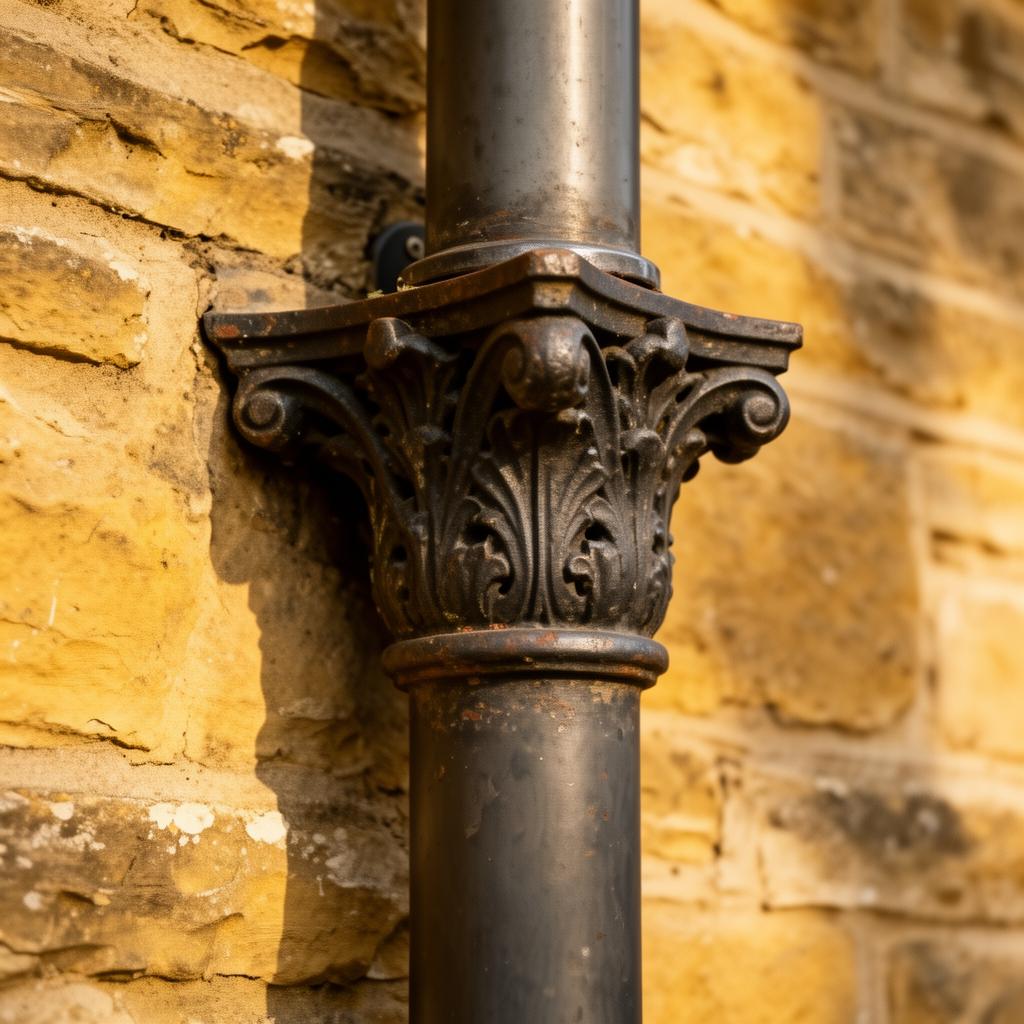
As the vibrant hues of autumn begin to paint the Cotswold landscape, a quiet shift occurs. The air sharpens, leaves carpet the lanes, and we instinctively prepare our homes for the inevitably wetter, colder months ahead. Yet, amidst the flurry of furnace checks and garden tidies, one crucial component often goes overlooked: your guttering system. These silent sentinels, working tirelessly to protect your property from the elements, are vital. A compromised system can lead to costly structural damage, damp, and even foundation issues. For homeowners across Gloucestershire, Oxfordshire, Wiltshire, and Berkshire, understanding the warning signs can save a great deal of trouble and expense.
Visible Cracks or Splits
Perhaps the most obvious indicator of a problem, visible cracks or splits in your gutters are a clear call to action. Whether hairline fractures or gaping chasms, these breaches allow water to escape its intended path, cascading down your walls or pooling around your foundations. This isn't just an aesthetic concern; prolonged exposure to moisture can erode mortar, stain brickwork, and eventually compromise the integrity of your property's structure. Often, these cracks develop due to age, exposure to harsh weather cycles (freeze-thaw is a common culprit), or the impact of falling debris. While a small crack might seem insignificant, it will almost certainly worsen over time, especially once winter's ice and persistent rain take hold. Even seemingly robust materials can suffer fatigue; older PVC systems are particularly prone to becoming brittle, while even traditional cast iron, though incredibly durable, can develop stress fractures if not properly maintained or installed.
Peeling Paint or Stains on External Walls
Take a walk around your home and pay close attention to your exterior walls, especially directly beneath your gutter lines. Are you noticing peeling paint, water stains, or streaks of dirt and algae? These are tell-tale signs that water is overflowing or leaking from your gutters and running down the side of your house. This constant moisture can lead to efflorescence on masonry, rot in timber cladding, and create ideal conditions for mould and mildew growth. Not only does this diminish your home's curb appeal, but it also indicates a consistent ingress of water that could be saturating your fascias and soffits, leading to timber rot and an inviting entry point for pests. Early detection can prevent extensive restoration work down the line.
Sagging or Improperly Pitched Gutters
Gutters are designed to have a slight gradient, allowing water to flow efficiently towards the downpipes. If you notice sections of your guttering sagging, pulling away from the fascia, or if water is visibly pooling in certain areas even after a light shower, your system is failing to do its job. This can be caused by:
- Accumulated Debris: Heavy blockages of leaves, moss, and silt can overload the system.
- Weakened Hangers or Brackets: Over time, fixings can rust, break, or pull away from the fascia board.
- Foundation Movement: Though less common, significant structural shifts can affect the entire rainwater system.
Sagging not only impedes water flow but also places immense strain on the remaining fixings, potentially leading to a catastrophic collapse during heavy rainfall or snowfall. A properly pitched system, whether it’s a seamless aluminium installation or a meticulously restored cast iron heritage system, ensures water is diverted safely away from your property.
Rust Spots or Corrosion
For metal guttering systems, be it steel, old galvanised iron, or even older aluminium, rust and corrosion are serious concerns. While the exceptional longevity of copper and zinc makes them highly resistant, and modern aluminium guttering is largely immune, older metal systems will eventually succumb. Rust spots on the gutter itself, or streaks of rust running down your downpipes and walls, indicate that the material is deteriorating. This weakening can quickly lead to perforations and leaks. Addressing rust promptly is crucial, as it spreads rapidly and compromises the structural integrity of the entire length of guttering.
Damp Patches in Your Loft or Interior Walls
While an external issue, failing gutters can have significant internal consequences. If you notice damp patches, peeling wallpaper, or mould growth on your top-floor ceilings or internal walls, especially near the eaves, it could very well be linked to a guttering problem. Overflowing gutters or leaks can saturate the fascia and soffit, allowing water to penetrate the roofline and enter your home. This is often an insidious issue, with water slowly seeping in before manifesting as visible damp. Such internal damp can lead to timber rot in your roof structure and pose health risks due to mould. Checking your lead hoppers for blockages and ensuring proper run-off are key preventative steps.
Your Gutters Are Simply Very Old
Sometimes, the simplest truth is the most compelling. If your guttering system has been in place for many decades, regardless of how well it appears to be functioning, it's likely approaching or has surpassed its expected lifespan. Materials like PVC become brittle, metal fatigues, and even robust cast iron can suffer from years of expansion, contraction, and rust. While AD Bespoke Guttering Solutions excels in sensitive restoration of heritage systems, sometimes a full replacement is the most practical and cost-effective long-term solution. Whether it’s a modern, everyday domestic aluminium job or a bespoke heritage rainwater system demanding the careful installation of cast iron effect or traditional copper, investing in a new, high-quality system ensures peace of mind for years to come. Don't wait for a winter deluge to reveal the full extent of your system's infirmity; proactive replacement is always wiser than reactive repair.
Recognising these signs early can save your home from significant damage and preserve its structural integrity. If you're concerned about your rainwater system in the beautiful locales of the Cotswolds, Gloucestershire, or indeed anywhere across our wider service areas, we invite you to get in touch for a comprehensive survey and expert advice.