
As the vibrant hues of autumn begin to fade and the first crisp whisper of winter air sweeps across the Cotswolds, it’s a gentle reminder that the wet season is just around the corner. For homeowners in Gloucestershire, Oxfordshire, and indeed right across our operational heartland, now is a pivotal moment to cast a discerning eye upwards. Your rainwater system, often overlooked, plays an absolutely vital role in protecting your home from the ravages of water ingress. Ignoring failing gutters before the heavy rains and potential frosts arrive can lead to far costlier issues. Here are six crucial signs that your current guttering might be on its last legs and in need of replacement.
Visible Cracks, Splits, or Rust
This is perhaps the most obvious indicator, yet it’s surprising how often these issues go unnoticed until a significant downpour. Take a good, close look at your gutters. Do you see any hairline cracks, especially along the bottom or at the joints? For older metal systems, patches of rust are a tell-tale sign of corrosion weakening the material. Plastic gutters, over time, can become brittle due to UV exposure, leading to splits and fractures. Even a small crack can allow water to seep behind fascias, leading to timber rot and damp problems within your walls. Early detection here can save considerable remedial work.
Sagging or Improper Pitch
Gutters are designed with a very slight pitch to ensure water flows efficiently towards the downpipes. If you notice sections of your guttering appearing to sag or hold standing water long after a rain shower, it’s a clear indication that the system is no longer functioning correctly. This could be due to weakened hangers, a build-up of heavy debris, or even foundations shifting over time. Persistent standing water adds significant weight, further stressing the system and accelerating deterioration, potentially leading to detachment. It also creates prime breeding grounds for mosquitos and can freeze in winter, exerting immense pressure on the gutter walls.
Peeling Paint or Water Stains Below the Gutter Line
Take a walk around your home's exterior, paying close attention to the walls directly beneath your guttering. Are there any noticeable streaks, discolouration, or peeling paint? These are classic signs of water consistently overflowing or leaking from your gutters, running down the face of your property. Over time, this constant dampness can lead to damage to your render, brickwork, and even penetrate internal walls, causing damp patches and potentially mould. This issue is particularly critical in older properties, where moisture can compromise the integrity of traditional building materials.
Missing or Loose Fasteners
Are there any sections where your gutters appear to be pulling away from the fascia board? This is often due to missing, corroded, or loose fasteners. Guttering needs to be securely fixed to withstand the weight of water, especially during heavy rainfall or if ice accumulates in colder weather. Loose sections can easily become dislodged, causing immediate overflow problems or, worse, falling completely. This is a safety hazard as well as a functional failure. Checking the integrity of the hangers and brackets is a quick, visual inspection that can pre-empt more significant issues.
Mould, Mildew, or Rot on Fascias and Soffits
Your fascias and soffits, often made of timber, are the crucial bridge between your roofline and your gutters. If your gutters are failing, water will inevitably seep into these areas. Look for any signs of:
- Dark discolouration
- Soft or crumbling wood
- Flaking paint
- Visible fungal growth
These are all clear indicators that water has been allowed to penetrate, leading to rot. Addressing failing gutters promptly can save your fascias and soffits from needing complete replacement, which can be a considerably more involved and expensive undertaking. Ensuring a dry roofline is paramount for the overall health of your home.
A Guttering System that Looks Decidedly Out of Place
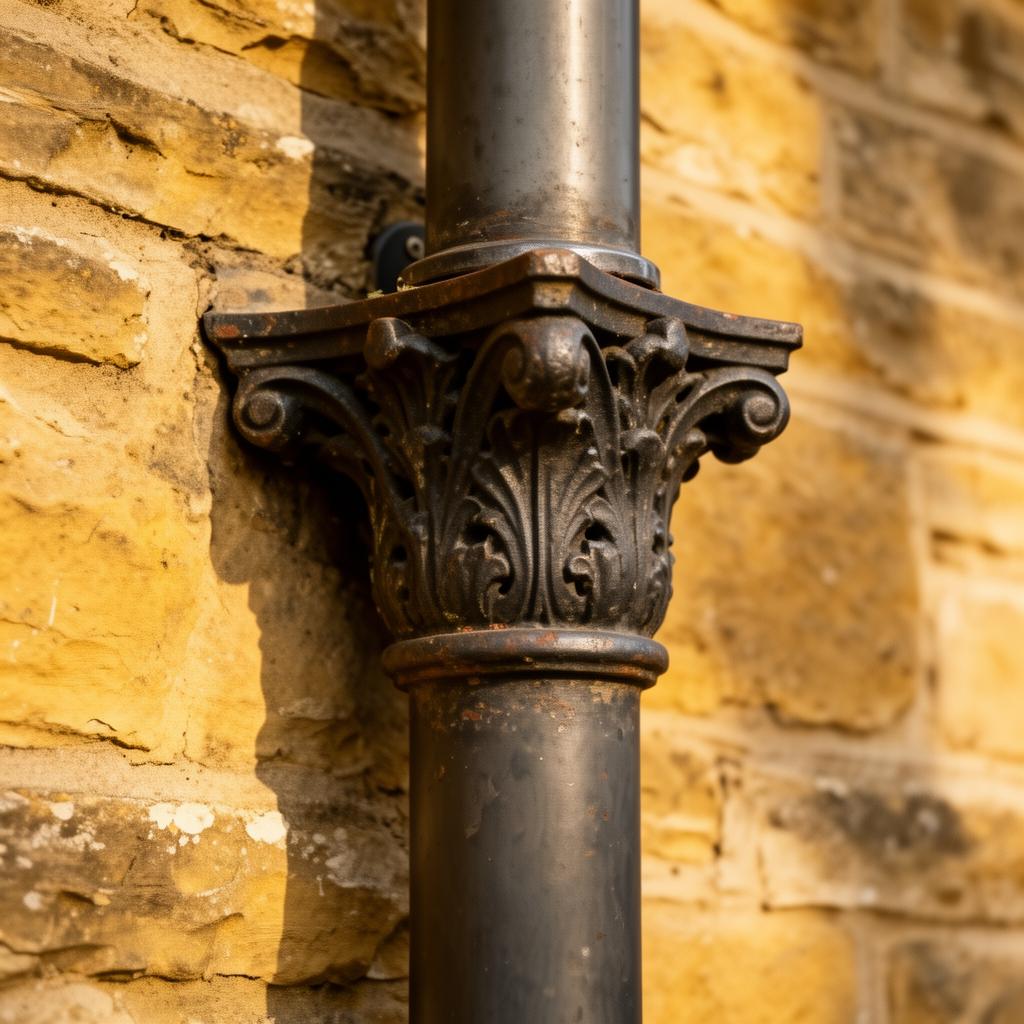
Sometimes, the issue isn't just about functionality but also about aesthetics and material suitability, particularly for heritage properties across Wiltshire and Berkshire. If your home boasts period features, a modern plastic guttering system can often look jarring and detract from its character. Perhaps you've inherited a system that's simply not up to the task or one that wasn't designed with longevity in mind. We've seen everything from everyday domestic aluminium jobs that are showing their age to grander bespoke heritage rainwater systems that require the specialist touch. Whether it's a desire for the enduring strength of seamless aluminium, the timeless elegance of copper or zinc, the traditional charm of cast iron, or even authentic lead hoppers, upgrading your guttering can enhance both the protection and curb appeal of your property for decades to come.
At Bespoke Guttering Solutions by Austen Dawson, we understand the nuances of every property, from a contemporary home to a historically significant building in the heart of the Cotswolds. Don't let winter catch you out. A functioning, robust rainwater system is your home’s first line of defence against the elements.
If any of these signs resonate with you, perhaps it’s time for a professional assessment. We would be pleased to arrange a comprehensive survey of your rainwater goods to ensure your property is well-prepared for the colder, wetter months ahead.