
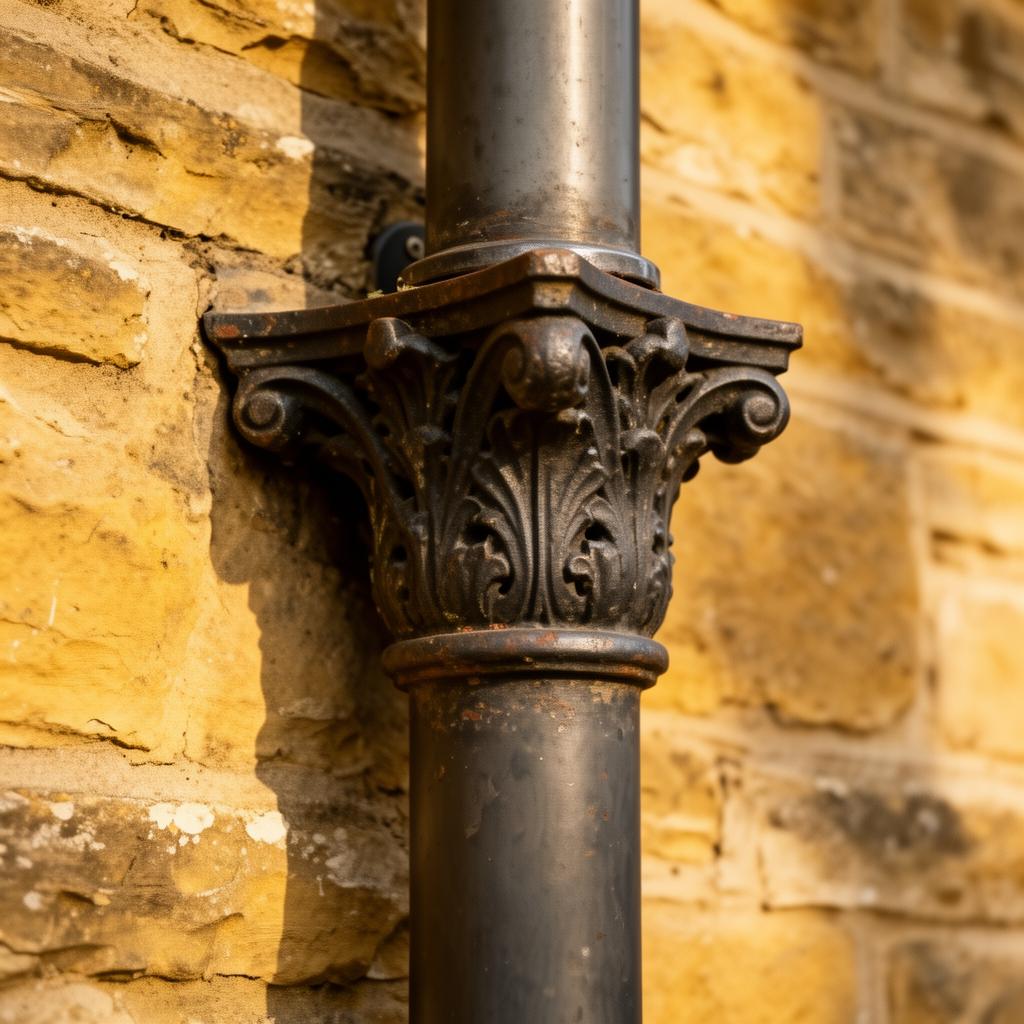
As the vibrant hues of summer begin to fade across the rolling hills of the Cotswolds and the charming market towns of Oxfordshire, our minds naturally turn to preparing our homes for the colder, wetter months ahead. A crucial, yet often overlooked, aspect of this seasonal readiness is the health of your rainwater goods. Here at Bespoke Guttering Solutions by Austen Dawson, we’ve seen firsthand the damage that neglected gutters can wreak, from minor damp patches to significant structural issues. Before the heavy rains and frosts truly set in, take a moment to consider these six diagnostic signs that your existing guttering may be teetering on the brink, signalling it’s time for a professional assessment and potential replacement.
Visible Cracks, Splits, or Holes
This might seem obvious, but a quick visual inspection can reveal a lot. Walk around your property – perhaps with a cuppa in hand – and cast your eyes upwards. Do you spot any hairline cracks, larger splits, or outright holes in your gutters? These can be tricky to see from the ground, especially on higher levels, but even minor damage can lead to a consistent drip, which over time, erodes mortar, saturates fascias and soffits, and can even compromise your home’s foundations. For older properties with traditional cast iron, look out for rust perforations. Modern materials like uPVC can become brittle and crack with prolonged sun exposure, while even robust aluminium guttering can suffer impact damage. Any breach, no matter how small, means your system isn't performing its primary function effectively.
Sagging or Incorrectly Pitched Gutters
Gutters are designed to have a slight gradient, allowing water to flow efficiently towards the downpipes. If you notice sections of your guttering appearing to sag, or if water is pooling visibly rather than draining away, this indicates a pitching problem or structural weakness. Sagging is often caused by failing hangers, loose brackets, or an accumulation of heavy debris over time. When water collects, it adds immense weight, exacerbating the problem and putting undue strain on the entire system. This can lead to further cracks, detachment from the fascia board, and a build-up of stagnant water, which can become a breeding ground for insects and an unsightly mess.
Water Stains and Damp Patches
Take a look at the exterior walls of your property, particularly beneath the eaves. Are there any tell-tale vertical streaks or discolouration? These water stains are a clear indicator that water is overflowing or escaping from your gutters and running down the masonry. Inside, look for damp patches on ceilings or walls directly below the roofline. These internal signs are usually a symptom of water ingress due to a compromised gutter system or blocked downpipes. Ignoring these early warnings can lead to serious and costly damp issues, wood rot in your roof timbers, and even damage to internal plasterwork. From the historic homes of Gloucestershire to the newer builds in Berkshire, water damage is a universal problem best tackled proactively.
Detaching Gutters or Loose Fasteners
Are your gutters pulling away from the fascia board? Do the downpipes feel loose or detached from the wall? Loose or missing fasteners are a common issue, especially as homes age. Over time, expansion and contraction due to temperature changes, combined with the sheer weight of water and debris, can cause screws to loosen or brackets to fail. This compromises the structural integrity of the entire system, making it vulnerable to collapse, particularly during heavy rainfall or strong winds. A gutter that is not securely attached cannot effectively channel water, posing a risk to both your property and anyone passing by.
Peeling Paint or Rotting Wood on Fascias and Soffits
Your fascias and soffits are the unsung heroes protecting your roof eaves. However, they are highly susceptible to damage from leaking or overflowing gutters. If you observe peeling paint, soft or rotting wood, or even mould growth on these components, it’s a strong indication that they are being repeatedly saturated with water. This points directly to a guttering problem. Replacing or restoring damaged fascias and soffits can be a substantial job, and often the root cause lies with failed rainwater goods. Whether you have traditional timber or more modern uPVC, sustained damp will inevitably lead to costly deterioration.
Frequent Clogging and Overflowing
While occasional gutter cleaning is part of home maintenance, if your gutters are consistently overflowing or clogging despite regular clearing, it’s a sign that the system itself may be failing. This could be due to:
- An inadequate size for the volume of rainfall in your area
- Improper pitch that doesn’t allow debris to wash away
- Too few downpipes for the roof area they serve
- An accumulation of internal corrosion in older systems, reducing flow capacity
Frequent overflowing means that water is not being efficiently diverted away from your home, leading to all the problems mentioned above. This is particularly relevant for homes in areas prone to heavy leaf fall, common across Wiltshire and the beautiful, wooded landscapes of the Cotswolds.
At Austen Dawson, we specialise in everything from robust, seamless aluminium installations for everyday domestic needs to the meticulous restoration and fitting of bespoke heritage rainwater systems, including traditional cast iron, elegant copper, and unique lead hoppers. We understand the nuances of properties both old and new, and we pride ourselves on providing tailored, long-lasting solutions. If any of these signs resonate with you, don’t delay. A timely inspection can save you considerable worry and expense down the line. We’d be delighted to visit your property across Gloucestershire, Oxfordshire, Wiltshire, or Berkshire, and provide a professional assessment.