
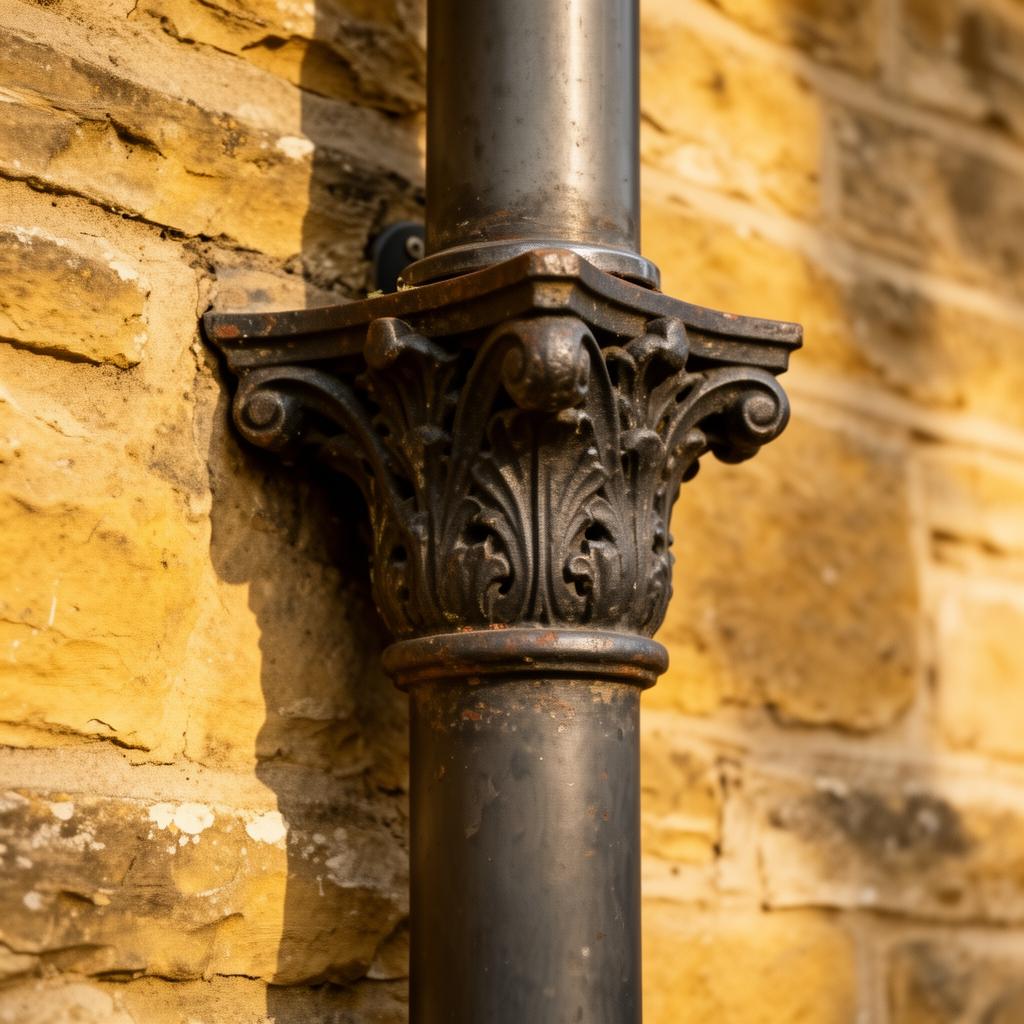
There is a particular stillness to late autumn across the Cotswolds and the rolling valleys of Gloucestershire. Leaves drift into courtyard corners, morning frosts linger on traditional stone tiles, and the gentle autumn mist gives way to weeks of relentless, heavy rain. For any home, whether a converted honey-stone barn in Oxfordshire or a Victorian terrace in Wiltshire, rainwater goods are the quiet guardians of the structure. When they fail, the consequences are rarely dramatic at first—they are slow, damp, and quietly damaging.
Winter puts the entire drainage profile under immense hydraulic stress. Ice freezes within sluggish joints, heavy snow loads test tired brackets, and driving squalls seek out any path behind the eaves. Catching the signs that your rainwater goods are approaching the end of their working life now, rather than in the depths of January, is one of the most prudent steps you can take for your property.
Here are six unmistakable indications that your gutters need replacing before the cold season settles in.
Watermarks, staining, and masonry efflorescence
Take a walk around your perimeter after a prolonged shower. If you notice dark tide-marks running down Cotswold rubble stone, damp patches across rendered elevations, or powdery white salts (efflorescence) blooming on brickwork, water is escaping over the back or through the seams of your guttering.
Often, homeowners mistake these stains for harmless cosmetic weathering. In reality, persistent water ingress penetrates lime mortar, saturates cavity walls, and leads to internal mould that can take months to dry out once winter begins in earnest.
Visible sagging, pooling, and pulled brackets
Rainwater systems rely on a subtle, continuous fall towards the downpipes—typically just a few millimetres per metre. Over years of resisting wind and carrying debris, gutter lengths can lose their correct pitch. If you spot sections dipping in the centre or water sitting stagnant days after rain has passed, the channel is failing.
In many cases, the timber behind the brackets—the fascias and soffits—has softened from moisture, allowing the fixings to pull away. Once a system sags, freezing winter temperatures turn trapped pools into heavy bars of ice, twisting the profiles beyond repair and risking a complete collapse during a blizzard.
Cracks, splits, and seam separation
Thermal expansion takes a steady toll on older rainwater systems. On historic cast iron or early plastic, seasonal movement causes unions to pull apart and hairline fractures to appear. In heavy cast iron profiles, small cracks quickly widen when trapped moisture freezes and expands, splitting the metal cleanly down the spine.
- Peeling paint revealing flaky rust patches along the underside of channels
- Dripping union clips that continue leaking hours after rainfall has ceased
- Splitting around vintage lead hoppers where original solder joints have fractured
- Gaps between gutter lengths that have pulled away from their connecting seals
Even a hairline fracture can channel hundreds of litres of cold rainwater straight onto your footings over a wet winter weekend.
Rotting timber fascias and damp beneath the eaves
Gutters rarely fail in complete isolation. When rainwater repeatedly spills over the back edge rather than the front, it tracks directly into timber fascias and soffits. Look up beneath your eaves: is the paint bubbling, flaking, or discoloured? Can you see soft, dark patches in the woodwork?
If the timber supporting your gutters is beginning to rot, simply clipping in a new bracket will not hold. A comprehensive overhaul that addresses both the timber substrate and the rainwater profile is essential to prevent damp entering the roof space.
Foundation erosion and ground-level pooling
Sometimes the clearest evidence of failure is found underfoot. Walk along the drip line of the roof and inspect the gravel, flowerbeds, or paving below. Deep ruts dug into garden soil, washed-away path gravel, or persistent puddling directly against external walls are classic signatures of gutters overflowing along their middle run.
Over time, unchecked roof run-off discharging against the plinth will saturate ground-floor timbers, compromise sub-floor ventilation, and erode traditional lime footings.
Plants, moss carpets, and chronic overflow
If a gentle afternoon drizzle sends water cascading in sheets over your gutter edges like an ornamental fountain, the internal cross-section is no longer coping. While this can sometimes be blamed on a simple blockage of autumn leaves, chronic overflow often signals internal corrosion, severe warping, or a system that was fundamentally undersized for modern rainfall volumes.
If you clear the channel only to find grass and moss re-rooting within weeks, the profile’s interior has likely degraded, creating rough surfaces that snag organic matter and prevent swift discharge.
Choosing the right replacement for your home
Replacing failing rainwater goods is an opportunity to elevate your home’s character and resilience. Whether your property calls for clean-lined, modern seamless aluminium guttering that will never rust or leak along its runs, or an exacting heritage restoration using traditional cast iron, cast iron effect, zinc, or copper, the right material should complement your architecture effortlessly.
From everyday domestic aluminium jobs on modern family houses to bespoke heritage rainwater systems on listed country manors, Austen Dawson provides tailored, expert craftsmanship throughout Gloucestershire, Oxfordshire, the Cotswolds, and neighbouring counties.
If you have noticed any of these warning signs along your eaves, we would be delighted to arrange a quiet, thorough survey of your property before the winter weather sets in.