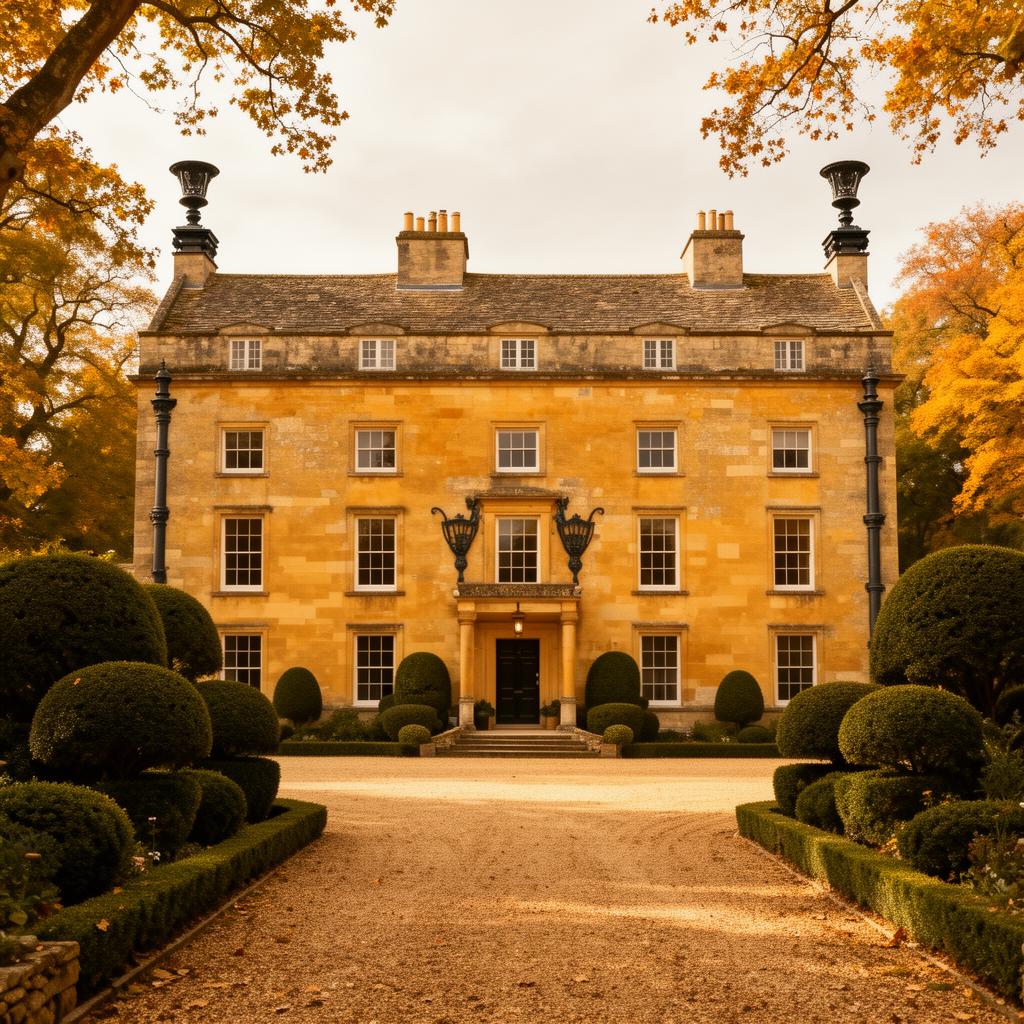
For owners of listed buildings nestled within the rolling hills and picturesque villages of the Cotswolds, maintaining your home’s character while ensuring its longevity is a delicate balance. When it comes to something as fundamental as rainwater systems, this task takes on particular significance. It’s not simply about replacing old with new; it’s about upholding history, adhering to strict regulations, and choosing materials that honour your home’s legacy. At Austen Dawson, we understand this nuance intimately, working across beautiful regions like Oxfordshire, Gloucestershire, Wiltshire, and Berkshire.
Understanding Listed Building Consent: A Crucial First Step
Any alteration to a listed building, including its external appearance, typically requires Listed Building Consent from your local planning authority. This isn't just a formality; it's a legal requirement designed to protect the special architectural and historical interest of the property. When it comes to guttering, this means you can't simply swap out your existing system for a modern alternative without due consideration.
The key is to consider the impact of any proposed changes on the building's character. Often, the conservation officer will expect a like-for-like replacement in terms of material, profile, and colour. This might seem restrictive, but it’s rooted in preserving the authentic aesthetic that earned the building its listed status. Even if your existing gutters are in poor repair, the expectation is usually that they will be replaced with systems that replicate their original form as closely as possible. It’s worth noting that simply repairing existing gutters, if they are still structurally sound, may not always require consent, but it’s always best to check with your local planning department or a heritage expert before commencing any work.
Material Choices: Honouring Heritage, Ensuring Durability
When working on a listed property, material choice is paramount. The goal is to select something that not only performs exceptionally but also complements the building’s age and style. While we frequently install modern, durable seamless aluminium guttering for contemporary and everyday domestic properties, listed buildings demand a more considered approach.
Here are some common and appropriate choices for heritage homes, especially those in areas like Oxfordshire and Gloucestershire:
- Cast Iron: The traditional choice for centuries, cast iron offers unparalleled authenticity and durability. Its heavy, robust appearance is perfectly suited to the grand scale and historic feel of many listed properties. While initially more expensive, its longevity and classic appeal often make it the preferred option for conservation officers. Modern casting techniques mean it’s more consistent than ever, and with proper painting and maintenance, a cast iron system can last for many decades, truly doing justice to your home.
- Cast Iron Effect (uPVC): While generally not suitable for listed buildings due to the strict material requirements, advancements in uPVC technology mean some 'cast iron effect' systems can mimic the look. However, for a true listed property, the feel, weight, and inherent character of genuine cast iron are usually irreplaceable and expected.
- Copper & Zinc: For certain architectural styles, particularly those from specific periods or with unique design elements, copper or zinc guttering can be an exquisite choice. These metals develop a beautiful patina over time – verdigris for copper, and a soft grey for zinc – which adds character and blends wonderfully with historic stone and brickwork. They are exceptionally durable and offer a distinctive, premium aesthetic, often chosen for more prominent or architecturally significant listed homes.
- Lead Hoppers: Often seen on grander listed buildings, lead hoppers are a beautiful and functional feature. They serve as a transition point between the downpipe and the gutter, often adorned with intricate designs, dates, or crests. Restoration of existing lead hoppers or the creation of new, historically accurate ones, is a specialist craft that adds immense value and authenticity to a heritage rainwater system.
Working with Conservation Officers: A Collaborative Approach
Engaging with your local conservation officer early in the process is not just a regulatory hurdle; it's an opportunity for collaboration. They are often a valuable source of knowledge regarding appropriate materials, profiles, and even local historical precedents. Approaching them with a well-researched proposal that demonstrates an understanding of the building’s heritage and your commitment to preserving it will invariably lead to a smoother approval process.
This might involve detailed drawings, material samples, and photographs of existing features. We at Austen Dawson have extensive experience liaising with planning departments and conservation officers across the Cotswolds and neighbouring counties. We can help guide you through the process, ensuring your proposed rainwater system meets both your needs and the stringent requirements for listed properties, whether it involves delicate restoration or careful replacement of fascias and soffits as part of a wider project.
Maintaining a listed building is a labour of love, and every element, down to the smallest gutter bracket, plays a role in its story. Ensuring your rainwater system is both historically appropriate and functionally excellent is an investment in your home’s future and its past. We’d be delighted to discuss the unique needs of your listed property and offer our expertise through a comprehensive survey.