
The vibrant greens of summer are slowly giving way to the rich ochres and russets of autumn across the picturesque landscapes of Gloucestershire and the wider Cotswolds. It's a beautiful time of year, but it's also a stark reminder that winter isn't far behind. And with winter, come the winds, the biting cold, and, most notably, the rain. For homeowners, especially those nestled in period properties or modern abodes across Oxfordshire, Wiltshire, and Berkshire, this signals a critical check on one of your home's most unsung heroes: its guttering system.
Often overlooked until a problem rears its ugly head, well-functioning rainwater goods are absolutely vital for protecting your property's integrity. They channel water away from your roof, walls, and foundations, preventing a host of costly issues. Ignoring the warning signs now could lead to much bigger headaches, and expenses, when the inevitable downpours arrive. So, before the heavens truly open, let's look at six key indicators that your gutters might be waving a white flag and need some attention.
Visible Cracks or Splits
Take a good look at your gutters, especially after a particularly sunny or frosty spell. Temperature fluctuations can cause materials to expand and contract, leading to hairline cracks that can widen over time. Even a small fissure can allow water to escape, dampening your exterior walls, or worse, seeping into your home's structure. This is particularly common in older plastic systems or aged metal gutters that haven't been properly maintained. If you spot any such damage, it's a clear signal that the system's ability to contain and direct water is compromised.
Sagging or Poor Pitch
Gutters are designed to have a slight gradient, allowing water to flow freely towards the downpipes. If you notice sections of your guttering sagging or appearing to hold standing water, this indicates an issue with the pitch or failing brackets. A build-up of water in these sections can put immense strain on the system, leading to further damage, detachment from the fascia boards, or even collapse. Sagging can also be a tell-tale sign of persistent blockages, forcing water to sit and add weight.
Water Stains on Fascias, Soffits, or Walls
One of the most obvious signs of a leaking or overflowing gutter is the appearance of water stains, mildew, or algae on the surfaces directly beneath. Check your fascias and soffits for discolouration or peeling paint, and inspect your exterior walls for streaks or damp patches. These are clear indicators that water isn't making it into the downpipe and is instead spilling over or seeping through gaps, potentially leading to timber rot or masonry damage. It's crucial to address this swiftly, as prolonged exposure to moisture can cause significant structural issues.
Peeling Paint Around Gutters or Foundations
If the paint on your window frames, door frames, or even your home's foundations is bubbling, cracking, or peeling, it could be due to constant water exposure from faulty guttering. Similarly, a persistently damp patch of soil near your foundation, or a distinct musty odour in your basement or crawl space, often points to water runoff that isn't being correctly diverted. This isn't just an aesthetic problem; it can be a precursor to serious damp penetration and even foundation erosion.
Rust or Corrosion on Metal Gutters
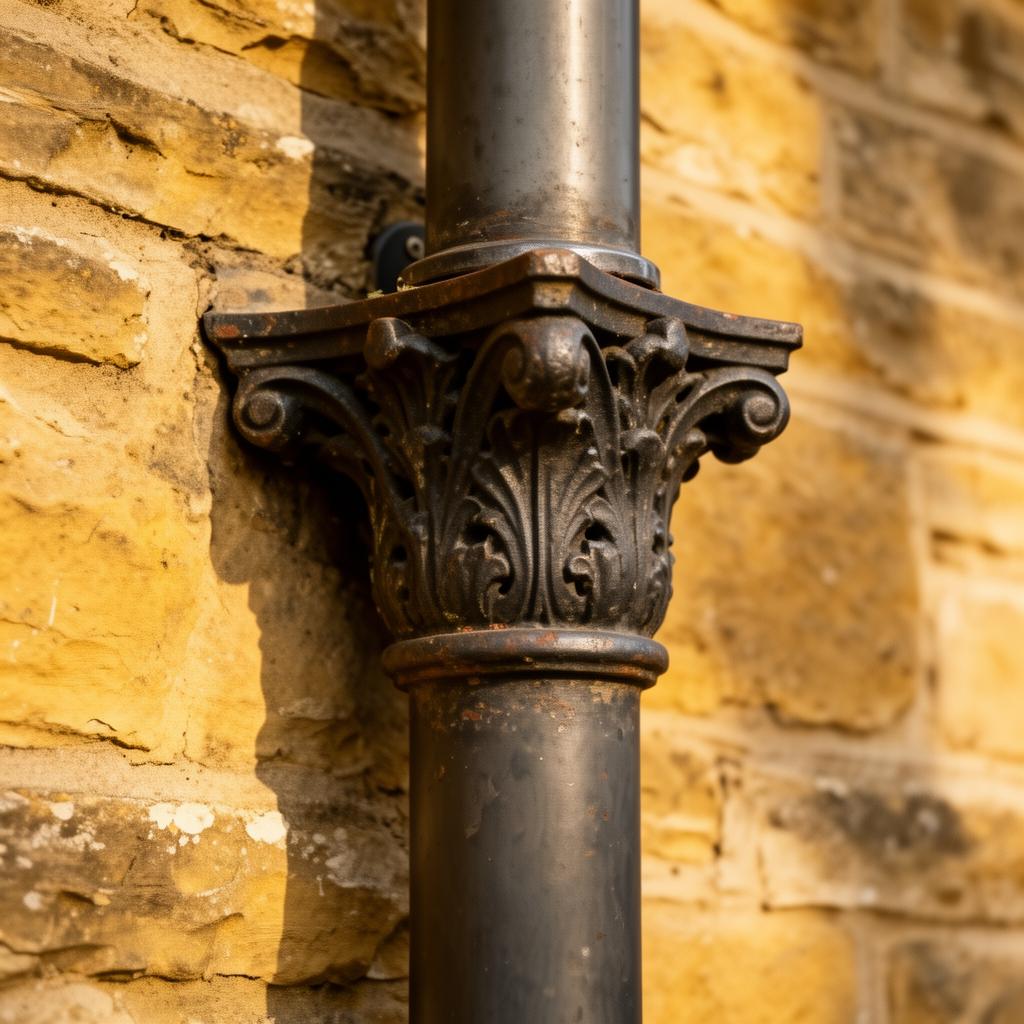
For properties featuring traditional cast iron or older aluminium guttering, signs of rust or corrosion are a red flag. While cast iron is robust, its protective paint can wear down, exposing the metal to the elements and leading to rust. Aluminium, though generally corrosion-resistant, can suffer from 'pitting' if its protective oxide layer is compromised. These aren't just cosmetic issues; rust weakens the metal, creating potential points of failure and leaks. While often possible to restore, severe corrosion may necessitate replacement, perhaps with modern, low-maintenance seamless aluminium or bespoke copper systems.
Your Gutters Are Over 20 Years Old
Even with diligent maintenance, all building materials have a lifespan. While well-installed cast iron gutters can last 50-100 years, modern plastic or cheaper aluminium systems typically have a lifespan of 20-30 years. If your gutters are approaching or exceeding this age, even if they appear sound, they're likely nearing the end of their effective life. Regular exposure to harsh British weather takes its toll. Investing in new, high-quality rainwater goods, be it durable cast iron effect, elegant zinc, or meticulously crafted lead hoppers, can save you significant repair costs down the line. We pride ourselves on installing both everyday domestic aluminium jobs and bespoke heritage rainwater systems, ensuring the perfect solution for your property.
Don't wait for winter's chill and deluge to expose the weaknesses in your home's defence. A proactive approach now can save you considerable stress and expense later. If any of these signs sound familiar, we encourage you to get in touch with AD Bespoke Guttering Solutions. We'd be pleased to conduct a thorough survey and discuss the optimal solution for your property, whether it's a simple repair, a full restoration, or a complete system replacement.