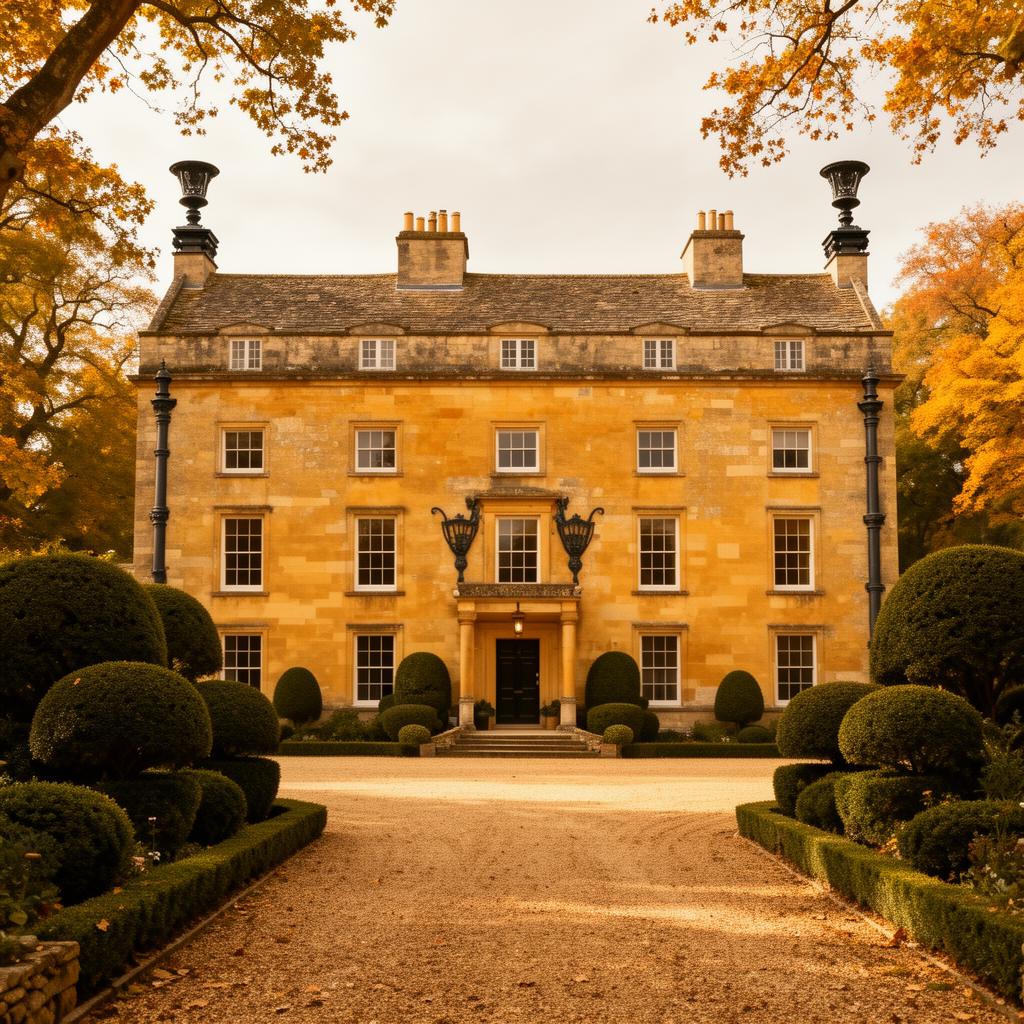
The rolling hills, honey-coloured stone, and timeless charm of the Cotswolds are a testament to centuries of thoughtful craftsmanship and enduring beauty. For those of us fortunate enough to live within these picturesque landscapes, especially in a listed property in Oxfordshire or Gloucestershire, this heritage comes with a unique set of responsibilities. When it comes to something as seemingly mundane as guttering, the stakes are surprisingly high, and the approach must be as considered as the building itself.
Understanding Your Conservation Officer
Your conservation officer is not an adversary, but a custodian of history. Their role is to ensure that any alterations or repairs to a listed building respect its architectural significance and preserve its character. This means that even a seemingly minor replacement of your rainwater system can require careful planning and, critically, listed building consent. Before any work begins, it's essential to consult with them. They will guide you on appropriate materials, profiles, and even the method of fixing. This initial conversation is paramount; proceeding without consent can lead to costly remedial work and even legal ramifications.
They’ll often look for a like-for-like replacement or, if that’s impossible due to material availability or practicality, a solution that closely mirrors the original in appearance and performance. This isn't just about aesthetics; it's about maintaining the building's historical narrative and structural integrity. A poorly chosen modern material might not only look out of place but could also react negatively with historic building fabrics, causing long-term damage.
The Material Considerations for Historic Homes
When it comes to listed buildings, the choice of guttering material is perhaps the most significant decision. It's rarely a case of simply opting for the most cost-effective or easily available option. Here's a look at some of the most common and appropriate choices:
- Cast Iron: The gold standard for many heritage properties, cast iron offers unparalleled longevity, robustness, and a genuinely authentic aesthetic. Its substantial weight and classic appearance are often exactly what conservation officers expect. While it requires periodic painting and maintenance, its lifespan often exceeds 50 years, making it a sound long-term investment. We work with foundries to ensure period-correct profiles and fittings.
- Cast Iron Effect: For some properties, particularly those where budget or weight is a concern, high-quality cast iron effect uPVC can be a viable alternative. Modern manufacturing has come a long way, and these systems can mimic the look of traditional cast iron remarkably well, complete with authentic-looking collars and fixings. However, it's crucial to discuss this with your conservation officer early on, as it may not be acceptable for all listed grades or areas.
- Copper & Zinc: For certain architectural styles, particularly those from the Victorian era onwards or specific regional variations, copper or zinc guttering can be stunningly appropriate. These materials develop a beautiful patina over time – verdigris for copper, and a soft, greyish hue for zinc – adding character and distinction. They are highly durable and virtually maintenance-free once installed, representing a premium, long-lasting solution.
- Lead Hoppers: Often, it’s not just the guttering itself but also the downpipe heads – the hoppers – that demand attention. Custom-fabricated lead hoppers are frequently specified for listed buildings, offering a beautiful, handcrafted element that can be embossed with dates or crests, further enhancing the building's heritage. They integrate seamlessly with both cast iron and other traditional systems.
Less commonly, but occasionally specified, is seamless aluminium, particularly when a conservation officer is open to a material that is robust and low maintenance, yet can be profiled to closely resemble traditional styles. While we install everyday domestic aluminium systems with great efficiency across Berkshire and Wiltshire, it’s the bespoke heritage rainwater systems that truly call upon our expertise in listed building requirements.
Restoration vs. Replacement
Before deciding on an entirely new system, consider the possibility of restoration. Original cast iron or even some timber gutters, if not too far gone, can often be painstakingly repaired, cleaned, and repainted. This 'repair not replace' ethos is deeply ingrained in conservation principles and can sometimes be more cost-effective than a full replacement, all while preserving more of the original fabric of the building.
This is where an experienced installer comes in. We can assess the condition of your existing system, advise on the feasibility of repair, and, if replacement is necessary, guide you through the maze of material choices, planning consents, and installation techniques. From the simplest domestic aluminium job to the most intricate heritage rainwater system in a Grade I listed manor, AD Bespoke Guttering Solutions brings Austen Dawson's dedication to quality and respect for history to every project.
Ensuring your listed property in the Cotswolds, or indeed anywhere across Oxfordshire, Gloucestershire, Wiltshire, or Berkshire, has the right guttering system is crucial for its long-term health and the preservation of its character. Don't leave it to chance. Allow us to bring our expertise and understanding of these unique requirements to your project. We'd be delighted to discuss your needs and arrange a comprehensive survey.