
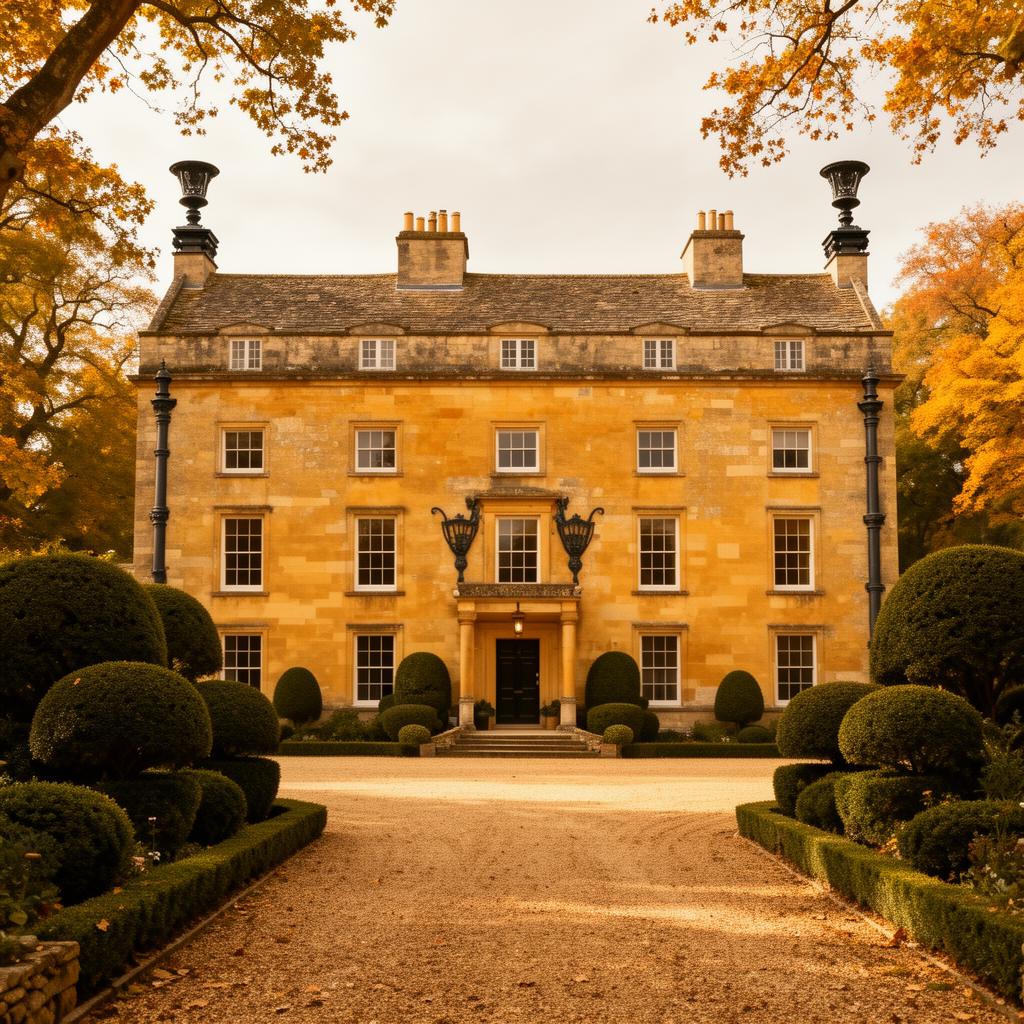
There is an undeniable romance to owning a listed property in the Cotswolds. Whether it is an early seventeenth-century yeoman’s cottage nestled in a quiet Gloucestershire valley or a substantial Georgian manor overlooking the rolling countryside of Oxfordshire, these homes wear their history gracefully. Yet the very elements that give them character—weathered oolitic limestone, exposed timber framing, and soft lime mortar—are inherently vulnerable to water ingress.
When damp issues arise in a historic structure, the culprit is almost invariably overhead. Rainwater management is not merely an aesthetic detail; it is the primary shield defending the structural integrity of ancient masonry. However, repairing or replacing rainwater goods on a protected home brings a unique set of challenges that off-the-shelf modern building approaches simply cannot address.
Understanding Listed Building Consent and Officer Expectations
For owners across Gloucestershire, Oxfordshire, and Wiltshire, the first step in replacing rainwater goods rarely involves ladders; it begins with the local planning department. Any alteration that affects the character of a listed building—whether Grade I, Grade II*, or Grade II—requires Listed Building Consent unless the work constitutes purely like-for-like maintenance.
Conservation officers scrutinise rainwater systems because gutters and downpipes define the roofline and frame a facade’s historic vernacular. Replacing a failing system with modern plastic is never permissible, but even swapping from one metal profile to another can meet resistance. Officers will assess the profile, bracket design, material composition, jointing method, and surface finish. In many cases, consulting an experienced installer to produce detailed specifications before formally applying can avoid costly delays and ensure your proposals respect the building's historical narrative.
Choosing the Right Heritage Materials
When working on protected architecture, provenance and material sympathy are paramount. Not every historic property requires identical treatment, but conservation policies generally dictate materials that reflect the age of the fabric:
- Traditional Cast Iron: The undisputed benchmark for period authenticity. Heavy, tactile, and exceptionally durable when maintained, cast iron provides the structural gravitas historic buildings expect.
- Lead Hoppers and Downpipes: Often found on high-status Georgian and Jacobean estates, bespoke lead hoppers add intricate craftsmanship and weather gracefully over centuries.
- Copper and Natural Zinc: Highly durable metals that oxidise naturally over time, developing protective patinas that blend harmoniously with weathered stone and slate.
- Restoration of Original Ironwork: Where historic gutter runs survive intact, careful restoration—including paint stripping, fracture repair, and sealing with micaceous iron oxide—is often preferred by conservation bodies over wholesale replacement.
While heritage cast iron remains essential for prime elevations, modern aluminium guttering finished in a textured heritage powder-coat can occasionally satisfy conservation demands on less visible elevations, barn conversions, or curtilage structures where weight or budget requires a sensible balance.
Profiles, Fixings, and Masonry Protection
The way rainwater goods are mounted to a historic wall is just as critical as the troughs themselves. Cotswold stone properties rarely feature timber fascias and soffits to screw into. Instead, gutters are traditionally supported by rafter brackets or rise-and-fall drive brackets embedded directly into the lime mortar bed between stone courses.
Driving modern expansion bolts into historic stonework can fracture soft limestone and compromise ancient bedding mortar. Heritage installations require sympathetic fixings, often hand-forged or bespoke-fabricated to fit existing masonry pockets without mechanical damage. Downpipes must also stand sufficiently proud of uneven rubble stone walls on traditional spacer bobbins, ensuring moisture is never trapped against the stone face during heavy downpours.
Balancing Heritage Craft with Everyday Performance
Preserving historic charm does not mean compromising on modern hydraulic performance. Heritage profiles must be accurately calculated to handle modern storm volumes without overflowing into internal timbers or soaking exterior plinths lacking damp-proof courses.
Rainwater engineering is never one-size-fits-all. While our specialist work regularly centres on intricate listed restorations, lead hoppers, and traditional cast iron across Berkshire, Oxfordshire, and the Cotswolds, our team brings that same precision to modern domestic homes. Whether fitting high-performance seamless aluminium guttering on a contemporary build or restoring an ornate rainwater system on a Grade II listed country home, the fundamental standard remains identical: impeccable water management and genuine architectural respect.
If you are planning repairs to a period property or would value expert advice on navigating conservation requirements, we would be delighted to arrange a comprehensive on-site survey to assess your rainwater system.