
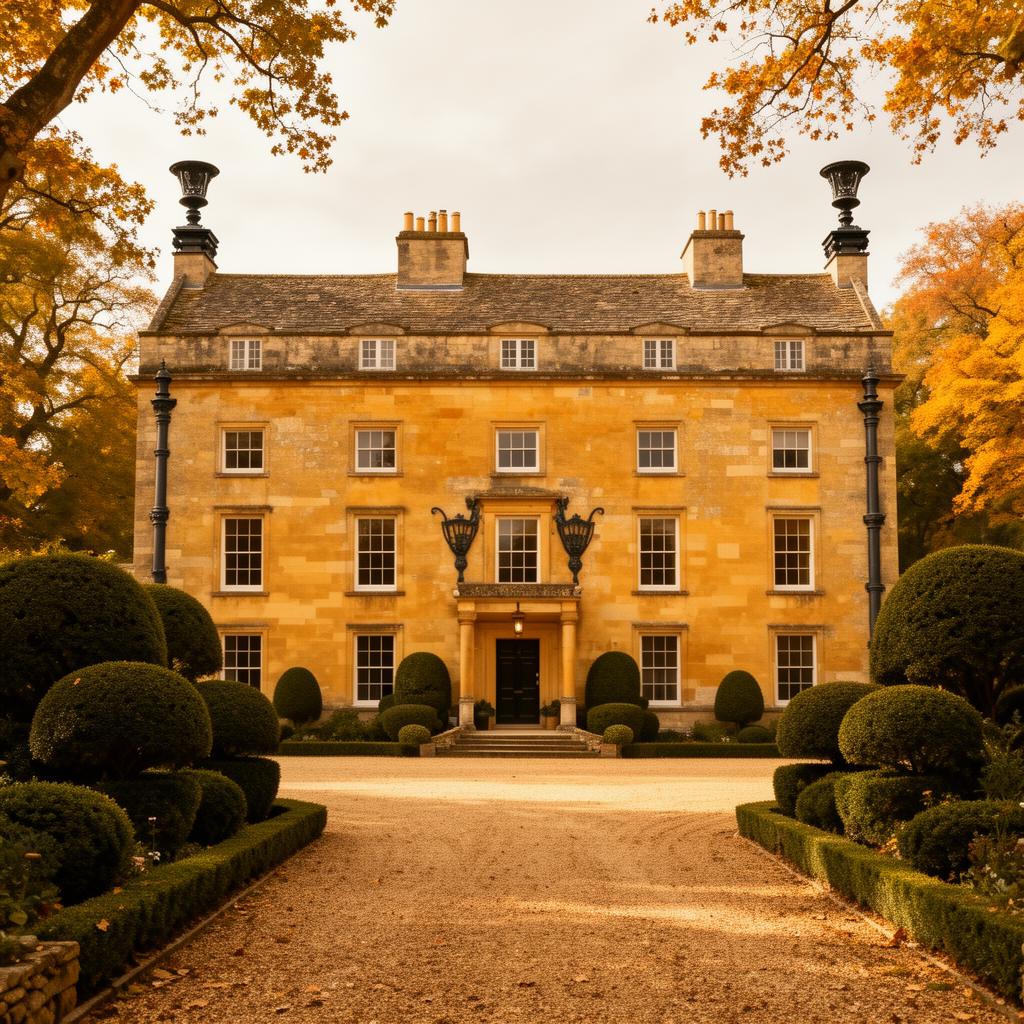
There is an undeniable romance to living in an older property here in the Cotswolds. Whether it is a honey-coloured ashlar townhouse in Chipping Campden, a thatch-topped cottage tucked away in Oxfordshire, or a sturdy former mill in Gloucestershire, these buildings possess an integrity that modern developments rarely capture. Yet, along with the undeniable beauty of historic masonry and hand-hewn timbers comes the solemn duty of stewardship.
When water management fails on a listed home, the consequences are swift and severe. Saturated stonework, decaying rafters, and damp-stained lime plaster often trace back to a single neglected detail: rainwater goods that have reached the end of their working life. Replacing them, however, is rarely as simple as ordering a generic replacement profile.
Navigating Listed Building Consent and Conservation Officers
For any property bearing Grade II, Grade II*, or Grade I status, altering rainwater goods almost certainly requires Listed Building Consent. Local planning authorities across Gloucestershire and Oxfordshire take a keen interest in anything attached to external elevations, and rainwater systems are surprisingly prominent architectural features.
Conservation officers generally operate under the principle of minimal intervention. Their preference will always lean towards the repair and preservation of original fabric before replacement is entertained. When replacement is unavoidable, they seek evidence that the proposed profiles, fixings, and materials honour the building’s historic significance.
Before commissioning any work, owners should consider the following essential steps:
- Audit the existing setup: Establish whether any existing brackets, downpipes, or hoppers are original 18th- or 19th-century installations or later, unsympathetic repairs.
- Consult your local conservation officer early: An informal conversation can clarify whether like-for-like replacement is accepted or if archival research into original details is expected.
- Prepare detailed specifications: Officers typically require cross-section profiles, material samples, and precise notes on bracket spacing and fixings.
- Check the roofline structure: Verify whether traditional timber fascias and soffits or exposed rafter feet require gentle timber restoration before new gutter brackets are fixed.
The Enduring Appeal of Traditional Cast Iron
In the historic villages dotting the Cotswold hills and the rolling borders of Wiltshire and Berkshire, authentic cast iron remains the gold standard for traditional vernacular architecture. There is a weight, texture, and crispness to a genuine cast iron half-round or moulded Ogee profile that modern plastic imitations simply cannot replicate.
Cast iron expands and contracts minimally, stands up gracefully to heavy snow loads, and, when properly primed and painted, will easily safeguard a building for over a century. Many period properties also feature bespoke decorative lead hoppers—often bearing dates, initials, or heraldic motifs—which act as both functional water reservoirs and striking historic embellishments. In our restoration work, we often find that original lead hoppers can be carefully cleaned, straightened, and retained even when the adjoining pipework must be replaced with fresh, traditionally cast sections.
Exploring Modern Sympathetic Alternatives
While cast iron is the traditional default, modern conservation attitudes have evolved. Many conservation departments now recognise high-grade architectural aluminium guttering as a sensible, durable alternative—particularly on curtilage buildings, rear elevations, or less prominent listed structures.
Heritage-line textured aluminium profiles recreate the painted surface texture and traditional bolted collar details of cast iron, but without the significant structural weight and ongoing repainting cycles. On non-listed contemporary extensions or unlisted period cottages nearby, seamless aluminium offers an exceptionally clean line and leak-free reliability.
On certain premier heritage properties, noble metals such as natural copper and zinc are also gaining traction. Copper weathers from bright bronze to a rich, earthy verdigris that complements traditional lime wash and natural stone. While the initial investment in copper or bespoke cast iron is higher, their longevity far outlasts conventional alternatives, making them an economically sound choice over the lifespan of a multi-generational home.
Balancing Heritage Craft with Everyday Demands
Rainwater management on period properties requires a nuanced eye. Roof pitches in the Cotswolds are often steep, valleys can be deeply recessed, and stone walls are rarely plumb. Installing guttering here is not an assembly-line trade; it is an exercise in bespoke alignment, ensuring falls are true and that water is thrown decisively away from delicate lime-mortared foundations.
At Bespoke Guttering Solutions by Austen Dawson, we approach each home on its individual merits. While our teams handle everything from clean, everyday domestic aluminium jobs on modern family houses to intricate heritage rainwater systems on sensitive listed properties, our ethos remains unchanged: precision, craftsmanship, and a deep respect for the building envelope.
If your rainwater goods are showing signs of wear or you are preparing an application for your conservation officer, we would be delighted to visit your home and provide a comprehensive, unhurried survey.